

In a decisive move to salvage the financial credibility of the National Health Insurance Scheme (NHIS), the Government of Ghana has announced a massive 120% average increase in tariffs paid to healthcare service providers, effective from the beginning of 2026.
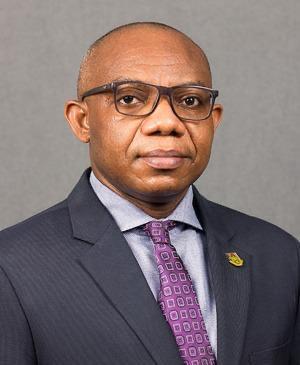
The announcement, made by the Minister of Health, Kwabena Mintah Akandoh, during the Government Accountability Series on Monday, December 1, 2025, represents one of the most significant financial interventions in the scheme’s history.
For years, the sustainability of the NHIS has been threatened by complaints from private and public healthcare facilities. Providers have consistently argued that existing reimbursement rates were woefully inadequate against rising market costs.
This disparity created a ripple effect across the sector, often resulting in:
• The return of “Cash-and-Carry”: Providers demanding upfront payments despite valid insurance coverage.
• Rejection of NHIS Cardholders: Private facilities opting out of the scheme entirely.
• Declining Quality: A reduction in the standard of care due to financial constraints.
According to Minister Akandoh, the government’s review is a direct acknowledgment of these challenges. The administration aims to end the era of “unrealistic” tariffs that have forced providers to cut corners or turn patients away.
Speaking at the press briefing, Mr. Akandoh emphasized that this adjustment is not merely a financial top-up, but a structural necessity to restore confidence in the national insurance system.
“Beginning next year (2026), we’re going to increase the tariff in the NHIS to service providers because it is something the service providers have been complaining about, that the tariffs we give them are unrealistic.”
The Minister expressed optimism that the new tariff regime would fundamentally alter the healthcare landscape in Ghana, ensuring that the NHIS card becomes a reliable tool for accessing quality healthcare once again.
“The government has made the decision to increase the tariff by 120% on average, and I believe this is going to be a game-changer,” Akandoh stated.
The new rates will take full effect in January 2026.