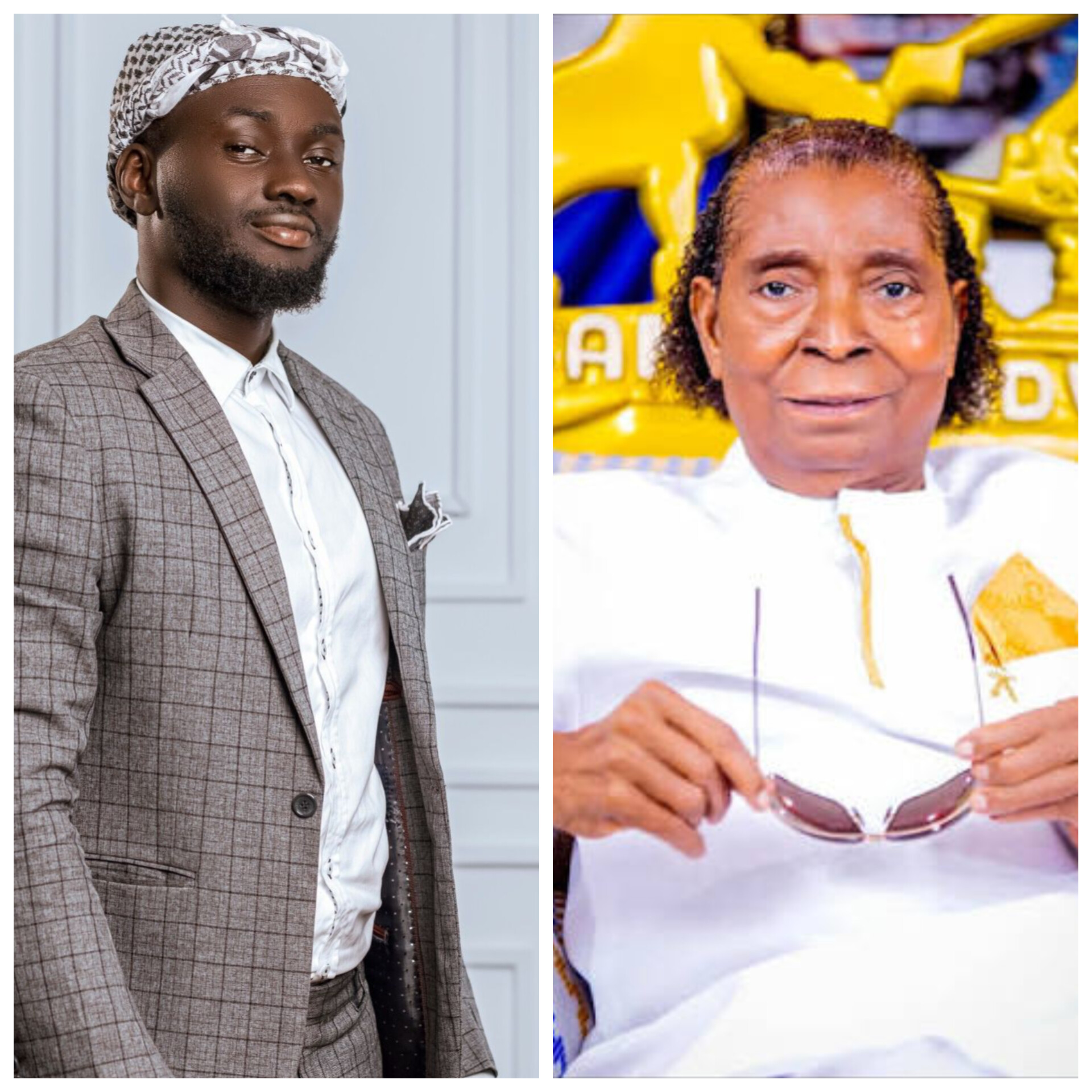
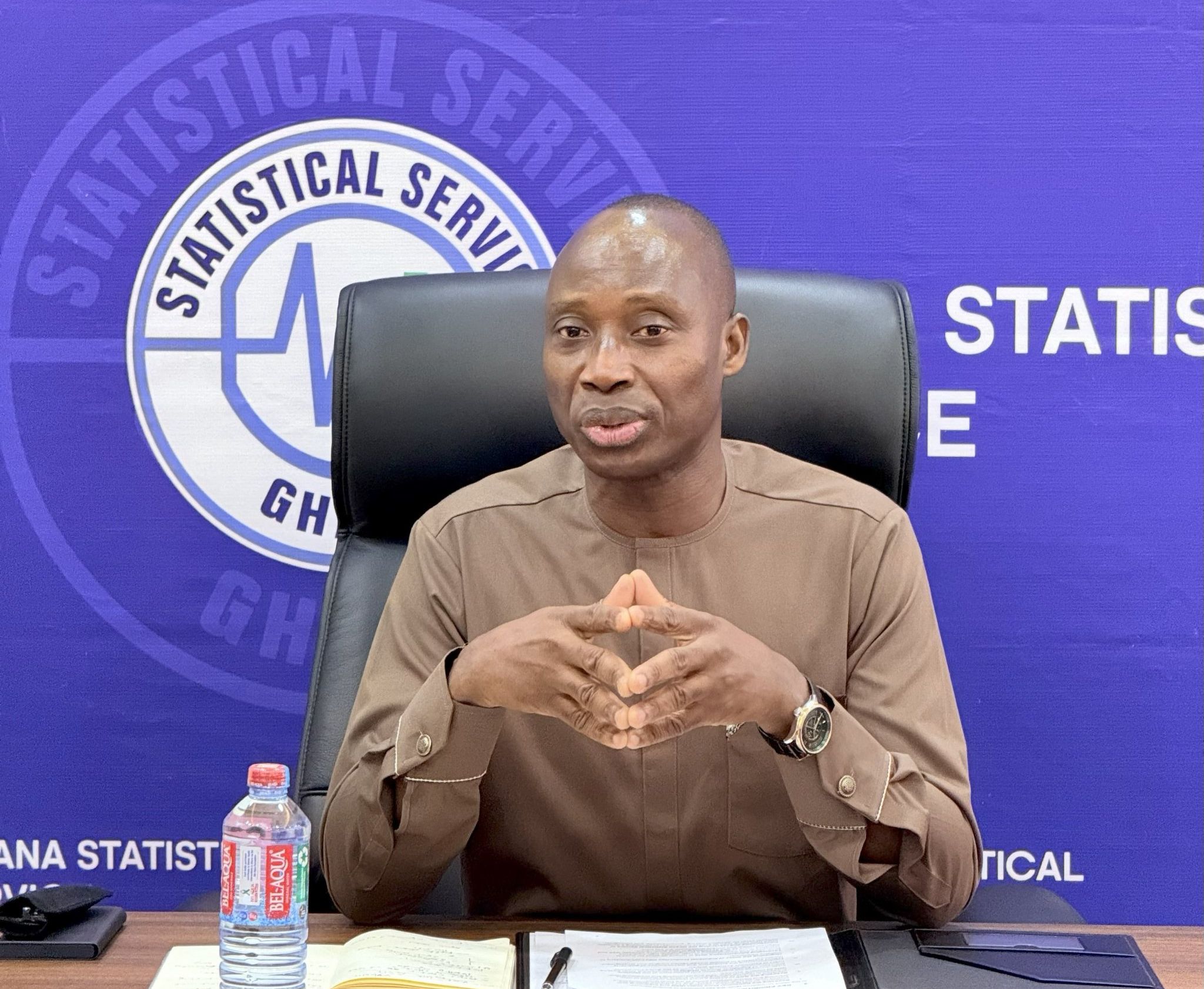
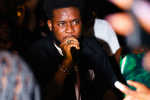
Entertainment Journalist Asare Moula (L) and The Late Apostle Kwadwo Safo Kantanga (R)
Entertainment Journalist Asare Moula (L) and The Late Apostle Kwadwo Safo Kantanka (R)
Ghanaian entertainment journalist Asare Moula has called on the government and stakeholders to build a statue in honour of the late Apostle Kwadwo Safo Kantanka, describing it as a fitting way to preserve his legacy for future generations.
Speaking on Kessben 93.3FM’s “Showbiz Council” show, hosted by DJ Roar, on Friday, July 10, 2026, Moula said a monument dedicated to the late inventor and scientist would serve as a lasting reminder of his contributions to Ghana and Africa.
“Let’s build a statue for the late Apostle Kwadwo Safo Kantanka because the man is a beacon of hope. He is the true definition of ‘a black man is capable of managing his own affairs.’ There should be a monument in his name that will constantly remind Ghanaians of his great achievements and inventions,” Moula said.
The journalist highlighted some of the late Apostle’s landmark inventions, noting that he was the first person in Ghana to build the “Made in Ghana” cars. Beyond automobiles, Moula said, Safo Kantanka also developed a range of electronic products, including flat-screen sensor TVs that could be powered on by human breath and switched off with the wave of a hand, sewing embroidery machines, electrical drums fitted with brain units, as well as loudspeakers and amplifiers.
Moula further lamented what he described as Ghana’s long-standing failure to properly honour its heroes, urging the country’s current leadership to break that pattern by starting with a monument for the late Apostle.
The late Apostle Kwadwo Safo Kantanka was widely regarded as one of Ghana’s greatest scientists and inventors. Beyond his work in science and technology, he was also a preacher, innovator, physicist, chemist, biologist, agriculturalist, and philanthropist.
Throughout his life, his overarching mission was to liberate Africa from mental slavery and help the continent achieve economic independence through science and technological innovation.
Eben Owurachy is a well-respected freelance journalist, celebrity blogger and media personality based in Ghana's second largest city, Kumasi. He has been working in Ghana's media space for over 15 years since his school days on University of Ghana, Legon campus from 2008.
Eben Owurachy attended Prempeh College and also works as an artiste manager, events MC, public speaker and digital marketer.
He is the founder and CEO of Eben Owurachy (EO) Media Ghana. He also work as a tech entrepreneur, operates an IT/Media School and has a tech startup.
Sign Up For Daily Newsletter
Stay updated with our weekly newsletter. Subscribe now to never miss an update!